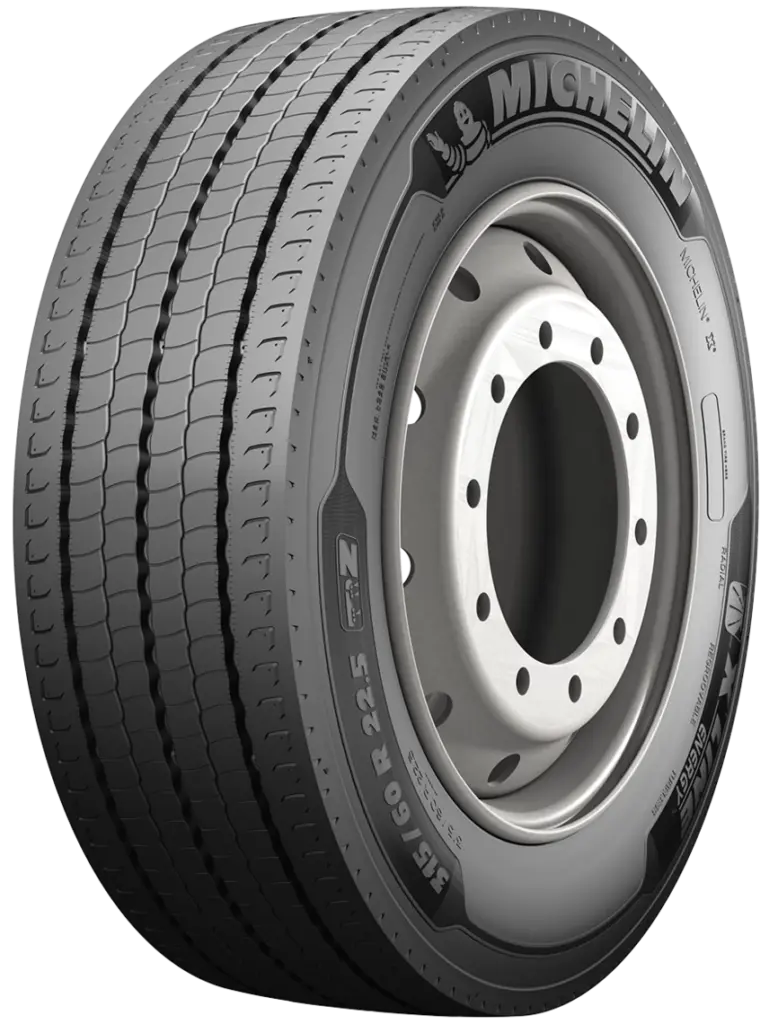
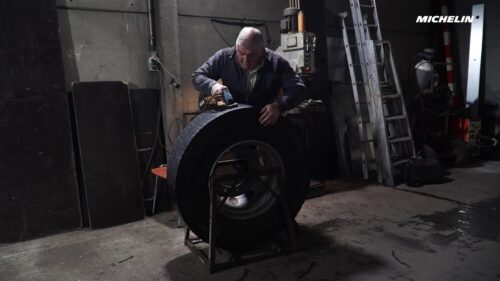
Knowing when to re-groove a tyre can make a measurable difference to a fleet’s bottom line. The timing is critical: re-grooving too early wastes usable tread life, while waiting too long risks damaging the casing and losing the opportunity altogether. Michelin has engineered its commercial tyres to deliver predictable, safe re-grooving when the tread reaches a specific wear stage — and understanding that point is key to maximising your tyre investment.
For most Michelin truck and bus tyres, re-grooving should be carried out when the remaining tread depth is around 2–3 millimetres. At this point, the original tread is nearly worn down, but the casing still has ample rubber beneath it. Michelin designs its REGROOVABLE casings with an extra layer of undertread — typically about 3–4 mm — that can safely be cut into new grooves, restoring grip and extending tyre life by up to 25% more kilometres.
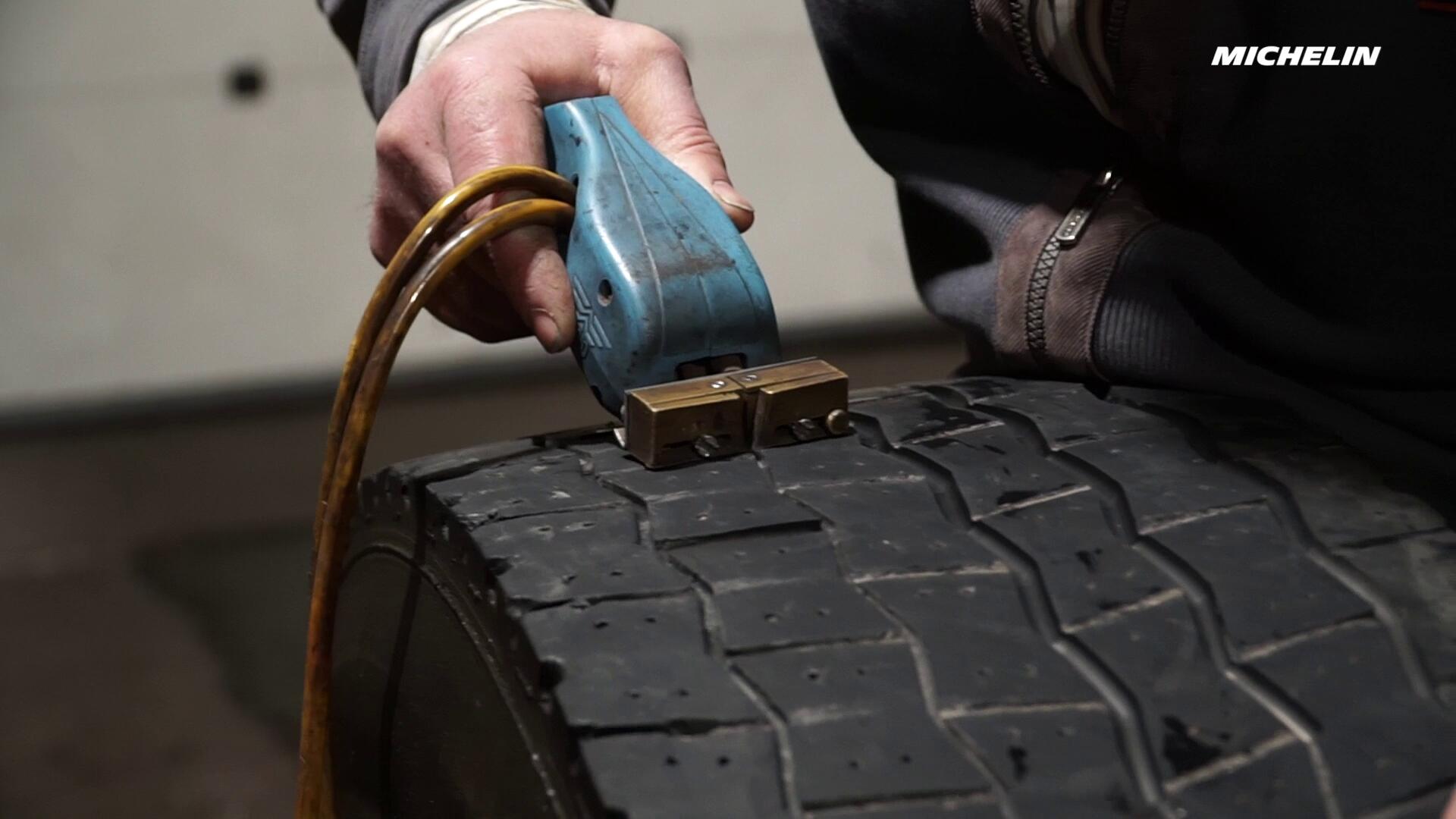
The process should always be completed by a trained technician, using Michelin-approved patterns and tools. Tyreline’s dealer network and authorised service providers can assess each tyre’s suitability for re-grooving, ensuring that only tyres in good structural condition are selected. During inspection, the technician checks for any casing damage, irregular wear, or heat history that might affect performance. If the casing is sound, re-grooving is carried out following Michelin’s specifications for pattern depth and spacing, ensuring optimal performance and safety.
Re-grooving is only ever done on tyres specifically marked “REGROOVABLE.” These casings are built with reinforced undertread rubber designed to accommodate the process without compromising safety or integrity. Attempting to re-groove a tyre not designed for it is unsafe and can lead to premature failure — which is why working with approved Michelin products and Tyreline partners is so important.
From a business perspective, the benefit is clear. By adding another service phase between the new tyre and eventual retreading or replacement, fleets gain extra mileage, reduce downtime, and lower their total cost per kilometre. Because tyres in the re-grooving phase also have lower rolling resistance, they consume less fuel and produce fewer CO₂ emissions — improving both efficiency and sustainability metrics.
For tyre retailers, understanding when to recommend re-grooving builds credibility and strengthens long-term customer relationships. You’re helping operators get more from every casing, while reinforcing the value of choosing premium Michelin tyres designed for a full multi-life cycle.
Talk to your Tyreline representative about integrating Michelin re-grooving into your fleet maintenance programme. It’s an easy way to offer your customers greater value, safer performance, and a measurable return on every tyre they buy through you.
Get a Regrooving Assessment
Talk to your Tyreline representative about integrating Michelin re-grooving into your fleet maintenance programme
Contact Us